Collin Raye - I Can Still Feel You
JUL 14 1998 · 12:00
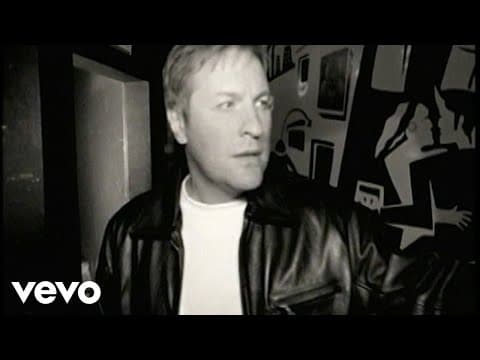
Collin Raye - I Can Still Feel You (1998) Director: Steven Goldmann Era: Late 90s Nashville Mainstream Country (1998) - Peak major-label country era; artists on Epic Records pursued cinematic black-and-white video aesthetics to elevate emotional gravitas and crossover appeal during country music's commercial apex. High curatorial value as a confirmed number-one single from 1998 directed by one of Nashville's most decorated video directors at the peak of his career. The video captures a precise cultural moment, the late-90s country-rock crossover aesthetic, through a cinematically distinguished monochrome production that stands apart from the era's norm. As Raye's final chart-topper and a Goldmann directorial artifact from his triple-crown year, this video is a significant document of both an artist's peak and a director's defining era. Context: Released in April 1998 as the lead single from The Walls Came Down, 'I Can Still Feel You' became Collin Raye's fourth and final Billboard Hot Country Songs number-one hit, peaking at the top spot on July 18, 1998, where it remained for two weeks. The track arrived during the commercial zenith of Nashville major-label country, when Epic Records artists competed for CMT rotation with high-production music videos. The song's alternative rock-inflected groove and paranoia-laced lyric, written by Kim Tribble and Tammy Hyler, represented a stylistic evolution for Raye away from pure ballads. Goldmann's monochromatic, street-performance visual treatment mirrored the song's edgier, more urban emotional register, distinguishing it from the glossy, color-saturated country videos of the period. Director notes: The music video for 'I Can Still Feel You' was directed by Steven Goldmann and premiered in early 1998, concurrent with the single's April 1998 release as the lead single from Collin Raye's album The Walls Came Down. Per Wikipedia, the video was shot in black and white, depicting Raye in his leather jacket walking city streets while performing the song, and employs varied lighting and motion effects throughout. The video was produced during the same year Goldmann won the country music video industry's 'triple crown' for Faith Hill's 'This Kiss,' making it part of his most critically celebrated creative period. The black-and-white street performance aesthetic aligns with Goldmann's documented reputation as a Nashville-based visual storyteller with a distinct cinematic style.
Source: radarchive.org
Part of RAD Archive · Watch in the documentary