Prince & The New Power Generation — Money Don't Matter 2 Night
JUL 01 1992 · 12:00
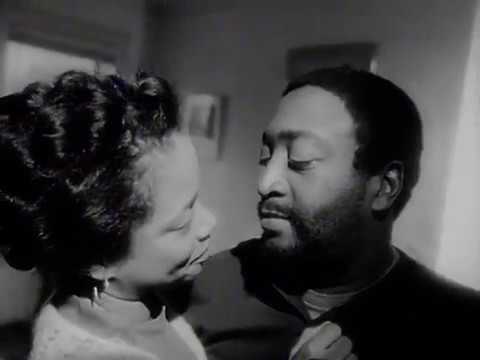
Prince & The New Power Generation — Money Don't Matter 2 Night (1992) Director: Spike Lee (original version) / Sotera Tschetter (MTV Version performance footage) Era: New Jack Swing / Early-90s R&B Crossover Era (1992) - Peak of Prince's Diamonds and Pearls commercial campaign; fifth single released March 1992 on Paisley Park/Warner, bridging socially conscious soul with mainstream pop-R&B during the aftermath of the Gulf War. Exceptionally high. This is one of the most politically significant music videos of the early 1990s and a documented flashpoint in the history of music video censorship. The collaboration between Prince and Spike Lee — with the original version subsequently suppressed in favor of a performance edit — provides a rare archival window into the power dynamics between major labels, broadcast gatekeepers, and artists at the height of the MTV era. The video's dual-director structure, its documentary social realism, and its direct engagement with Gulf War-era politics make it a primary source of sustained scholarly and curatorial interest. Context: Released in March 1992, 'Money Don't Matter 2 Night' arrived during a politically charged moment: the immediate aftermath of Operation Desert Storm, rising economic inequality, and a year before Prince's seismic break with Warner Bros. The song, co-written with Rosie Gaines, directly addresses consumerism and the hollowness of material wealth. Spike Lee's original video — depicting a poor African-American family with zero footage of Prince — was considered so overtly political that the label pushed for a re-edited MTV-friendly version incorporating performance footage directed by Sotera Tschetter. This censorship-by-compromise dynamic mirrors broader early-90s tensions between artist political expression and commercial broadcast gatekeeping, making the video a documented case study in the politics of music video distribution and MTV's content culture of the era. Director notes: Two distinct videos were produced for this single. The primary version, directed by Spike Lee, was shot in black and white and depicted a poverty-stricken African-American family with no footage of Prince — a deliberate political statement engaging with themes of class inequality and the Gulf War. It was deemed 'not MTV friendly' by the label. A second MTV Version was subsequently issued combining Lee's original footage with new performance footage of Prince and the New Power Generation, with the performance segments directed by Sotera Tschetter. The YouTube file annotated here ('Official Music Video') corresponds to this combined MTV Version. The collaboration between Lee and Prince originated when Lee visited the set of Graffiti Bridge. Lee gave the original video a fully autonomous, socially documentary treatment, famously later recalling the label's alarm at Prince's absence from the clip.
Source: radarchive.org
Part of RAD Archive · Watch in the documentary