Morrissey — We Hate It When Our Friends Become Successful
JUL 01 1992 · 12:00
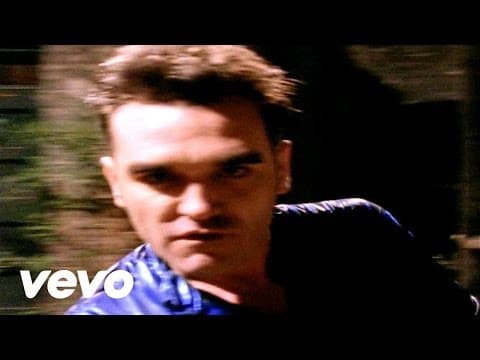
Morrissey — We Hate It When Our Friends Become Successful (1992) Director: Tim Broad Era: Post-Smiths Morrissey Solo Era (1992) - Lead single from 'Your Arsenal', marking Morrissey's glam-inflected hard rock pivot produced by Mick Ronson; peak of his early-90s British indie celebrity High curatorial value as a documented collaboration between Morrissey and Tim Broad—one of the definitive director-artist partnerships of British indie music video history. This is among Broad's final completed works before his 1993 death, making it both a creative and biographical artifact. The video's raw performance energy, East London location, and fast editorial rhythm provide a visually distinct counterpoint to the more stylised early Broad/Morrissey collaborations, and serve as a primary document of the 'Your Arsenal' era's aesthetic sensibility. Context: Released 27 April 1992 as the lead single from 'Your Arsenal', this video arrives at a transitional moment in Morrissey's solo career—following the critically underwhelming 'Kill Uncle' and signalling a harder, glam-rock-informed direction facilitated by Mick Ronson. The song's lyrics satirise competitive envy within the Manchester music scene, a theme resonant at a time when Madchester was declining and Britpop was coalescing. The Wapping location grounds the video in a specifically English, post-industrial working-class visual vernacular that reinforces Morrissey's Northern identity mythology, even while he had relocated from Manchester. The single reached No. 17 on the UK Singles Chart and No. 2 on the US Modern Rock chart, reflecting his sustained transatlantic cult status. Director notes: Broad directed this promotional video concurrently with Morrissey's other 1992 single 'You're the One for Me, Fatty', both released in support of 'Your Arsenal'. The shoot took place at the Turks Head pub in Wapping, East London, featuring the band in an outdoor urban-industrial setting. Morrissey performs in a shiny blue shirt against brick walls and open fields. The fast-cut editing style (76 scene changes, avg shot length ~2.05s) reflects Broad's preference for energetic performance documentation over narrative construction. This was among the final videos Broad completed before his death in 1993.
Source: radarchive.org
Part of RAD Archive · Watch in the documentary