Switchblade Symphony - Clown
JUL 01 1995 · 12:00
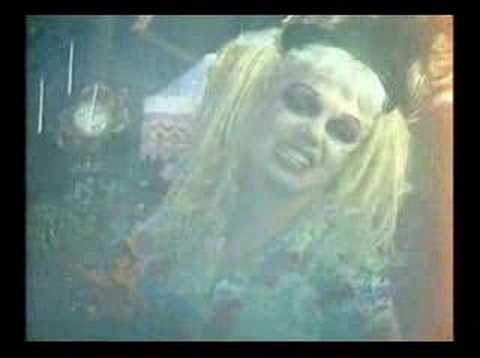
Switchblade Symphony - Clown (1995) Era: Mid-90s Darkwave / Gothic Underground (1995–1997) - Low-budget independent gothic rock video era; Cleopatra Records underground aesthetic; pre-mainstream-internet subculture distribution via MTV alternative blocks and VHS trading networks. High curatorial value as a surviving visual document of the American darkwave underground at its mid-90s creative peak. Represents Cleopatra Records' house aesthetic and the San Francisco goth scene's theatrical sensibility. The song's enduring cult status, evidenced by its inclusion in the 1998 film Wicked and continued streaming presence, elevates this video beyond typical label ephemera into a genre-defining artifact. Context: Switchblade Symphony were a San Francisco-based darkwave duo formed in 1989 by vocalist Tina Root and composer Susan Wallace, whose music merged orchestral synth arrangements with gothic rock and industrial-adjacent beats. 'Clown' appeared on their 1995 Cleopatra Records debut Serpentine Gallery and was later re-promoted as a single after their 1997 follow-up Bread & Jam for Frances. The song gained broader cultural visibility when it was featured in the 1998 film Wicked starring Julia Stiles. This video represents the visual language of the Cleopatra Records underground ecosystem, theatrical, low-budget, horror-inflected gothic aesthetics distributed through specialty music retail, college radio, and early alternative cable programming in the pre-streaming era. Director notes: The music video for 'Clown' is listed on IMVDb with a 1995 release date and Rock genre classification, but carries no crew credits of any kind. Citizendium describes the video as produced by Cleopatra Records (noting a 1996 date, likely a re-release/promotional window), characterizing it by heavy theatrical makeup, an emotionless vocal performance, and misty horror scene sequences. The song itself originates from the debut album Serpentine Gallery (Cleopatra Records, January 21, 1995) and was subsequently promoted again as a single following Bread and Jam for Frances (1997). The video's warm-toned, high-contrast, fog-heavy visual language is consistent with the low-budget gothic/darkwave music video aesthetic common to Cleopatra Records productions of the mid-1990s.
Source: radarchive.org
Part of RAD Archive · Watch in the documentary