Beck - Beercan
JUL 01 1994 · 12:00
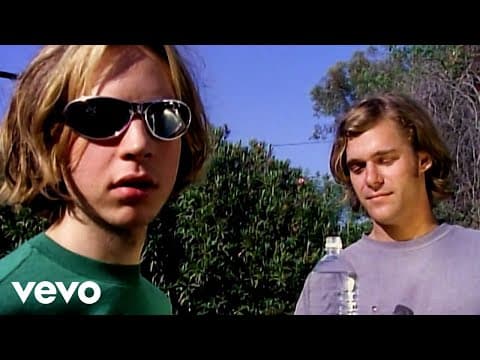
Beck - Beercan (1994) Director: Steve Hanft Era: Post-Grunge Alternative Breakout (1994) - Mid-90s lo-fi slacker era; Beck's major-label debut cycle on DGC/Bong Load Records, concurrent with peak MTV alternative rotation and the mainstreaming of indie-adjacent aesthetics. High curatorial value as a confirmed, fully sourced artifact of the 1994 alternative breakout moment. The video's lo-fi film aesthetic, social-outsider narrative, and fast-cut collage editing make it a textbook document of mid-90s counterculture visual language. Its director, Steve Hanft, is a historically significant figure in 90s music video direction, and the Beck/Hanft collaboration is a canonically important creative partnership in MTV-era visual music history. Context: Released in June 1994 as the second single from Beck's major-label debut Mellow Gold (DGC/Bong Load Records), 'Beercan' arrived at the apex of alternative rock's MTV dominance. The video's lo-fi, guerrilla aesthetic, homeless iconography, property destruction, anti-glamour visuals, directly embodied the slacker-generation ethos permeating early-90s American underground culture. Peaking at #27 on U.S. Modern Rock Tracks, the single signaled Beck's unique position as a genre-collapsing provocateur bridging hip-hop sampling culture, indie rock, and outsider art. Director Steve Hanft, already Beck's collaborator on 'Loser,' extended their shared visual language of absurdist lo-fi surrealism into a social-realist register, with the video's destruction narrative and rainbow motif adding layers of dark comedy and pop-cultural irony that became hallmarks of mid-90s alternative video aesthetics. Director notes: Confirmed directed by Steve Hanft (IMDB tt8212360, IMVDb, Wikipedia). Produced by Jack Sawyers (IMVDb). Released June 1994 (United States) per IMDB release info. The video was made in the same creative partnership as Beck's 'Loser,' with Hanft described as a personal friend of Beck's. The video depicts a group of homeless people destroying a house, with a recurring rainbow motif documented as a possible reference to the Care Bears album sampled in the song. Production company listed as FM Rocks (IMDB). Runtime approximately 4 minutes.
Source: radarchive.org
Part of RAD Archive · Watch in the documentary