Eurythmics, Annie Lennox, Dave Stewart — Who's That Girl
JUL 01 1983 · 12:00
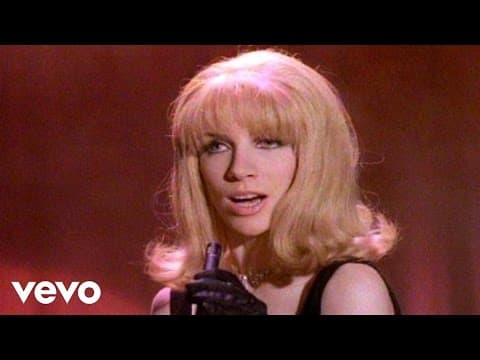
Eurythmics, Annie Lennox, Dave Stewart — Who's That Girl (1983) Director: Duncan Gibbins Era: New Wave / Synth-Pop Ascendancy (1983) - Peak MTV era; British synth-pop crossing over to mainstream US audiences, gender-bending visual identity at the cultural fore This video is a high-priority archival asset: a confirmed 1983 production directed by Duncan Gibbins, featuring one of the most discussed gender-performance sequences in early MTV history. Its dual-persona split-screen finale, cabaret mise-en-scène, and role in establishing Annie Lennox's androgynous iconography make it essential for collections focused on gender, performance, and 1980s synth-pop visual culture. Its heavy MTV rotation confirmed the network's power as a US market-entry vector for British artists. Tier 1 curatorial designation warranted. Context: Released in June 1983 as the lead UK single from Eurythmics' third album Touch, 'Who's That Girl?' arrived at the precise moment when MTV was reshaping pop music consumption and when British New Wave acts were dominating US charts. The video leveraged Annie Lennox's already-established androgynous iconography—developed through 'Sweet Dreams (Are Made of This)'—pushing further into explicit gender performance: Lennox portrays both a femme torch singer and a male-costumed audience member, collapsing the observer/observed binary. The track reached #3 on the UK Singles Chart and #21 on the Billboard Hot 100, with MTV airplay a primary driver of US awareness. The cabaret setting and torch-song phrasing situate the video in a transatlantic artistic lineage bridging Weimar-era performance with 1980s pop video grammar. Director notes: Gibbins directed this 1983 narrative promo during his UK music video period, prior to his transition to Hollywood features. The video employs his signature story-driven approach, intercutting Annie Lennox performing as a cabaret nightclub singer (in a 1960s blonde flip wig) against scenes of Dave Stewart escorting female companions in a fancy restaurant. The video climaxes with a technically ambitious split-screen sequence showing Lennox simultaneously in male drag and female performance dress, a primitive optical effect that became one of the video's most discussed visual moments. The clip was a heavily-played MTV staple in 1983 and is cited as a key vehicle for Lennox's gender-bending public image.
Source: radarchive.org
Part of RAD Archive · Watch in the documentary