Spandau Ballet — Instinction
JUL 01 1982 · 12:00
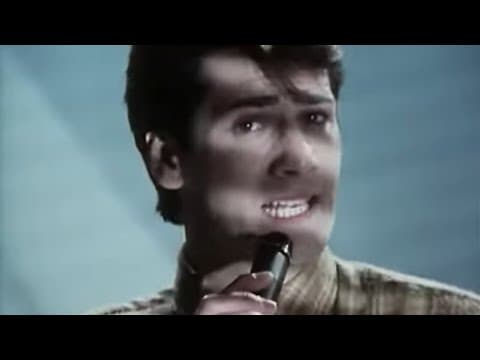
Spandau Ballet — Instinction (1982) Director: Russell Mulcahy Era: New Romantic Pivot Era (1982) - The moment Spandau Ballet consciously shed avant-garde Blitz Kid identity for mainstream pop accessibility, bridging post-punk art-school aesthetics with polished, Trevor Horn-remixed chart ambitions. High. 'Instinction' is a documented turning-point artefact in both Spandau Ballet's career and the broader New Romantic movement, confirmed by multiple primary sources including band member accounts. Directed by Russell Mulcahy at the peak of his music video influence, it offers a rare example of deliberate visual minimalism from a director synonymous with excess. The intentional stripping-back of subcultural signifiers makes it uniquely legible as a cultural statement, and its chart and commercial impact (first of eleven consecutive Top 20 hits) makes it indispensable for any archive of early MTV-era British pop. Context: Released 2 April 1982 as the final single from the album Diamond, 'Instinction' represented a watershed commercial and cultural pivot for Spandau Ballet. Following the underperformance of 'Paint Me Down' and 'She Loved Like Diamond', the band's label Chrysalis Records was reportedly ready to abandon them. The Trevor Horn remix transformed the track into a Top 10 UK hit and became the first of eleven consecutive Top 20 singles. The accompanying video, by stripping away the elaborate subcultural costuming and nightclub theatrics of earlier Mulcahy-directed Spandau clips, visually announced the band's shift from avant-garde Blitz Kids figureheads to mainstream pop contenders — a move that mirrored the broader maturation and commercialisation of the New Romantic movement in 1982. Director notes: Mulcahy resumed his ongoing collaboration with Spandau Ballet for 'Instinction', having previously directed earlier band videos including those featuring nightclub settings and elaborate costuming. According to documented band accounts, the group explicitly instructed Mulcahy to abandon the visual conceits of earlier clips — no nightclub setting, no elaborate Blitz Kids costuming, no role-playing — in favour of a clean studio performance shoot. Gary Kemp described the band's fashion approach as 'early Alpinist/hunter chic; a sort of yodelling Elmer Fudd look', sourced from the Army & Navy store in Camden Town. The band's stated intention was, for the first time, to smile and make a straightforward pop video. The result reflects Mulcahy applying his signature kinetic editing to an intentionally stripped-down visual grammar — a significant stylistic departure from his more maximalist contemporaneous work.
Source: radarchive.org
Part of RAD Archive · Watch in the documentary