The Cure - Mint Car
JUL 01 1996 · 12:00
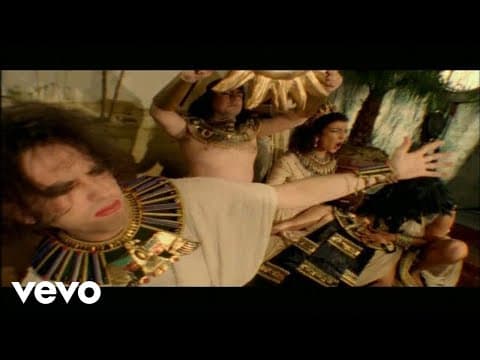
The Cure - Mint Car (1996) Director: Richard Heslop Era: Britpop & Alternative Rock Peak (1996) - Mid-90s British alternative scene at commercial apex; post-grunge optimism meets colourful, kinetic studio production aesthetics High curatorial value as a document of The Cure at a pivotal commercial and aesthetic crossroads in 1996, directed by a notable British art-school filmmaker. The video's combination of whimsical Robert Smith-scripted vignettes and Heslop's kinetic editing provides a rare example of artist-director creative co-authorship in mid-90s alternative music video production, and sits in contrast to the band's predominantly dark visual archive. Context: Released 17 June 1996 on Fiction/Polydor as the second single from Wild Mood Swings, 'Mint Car' appeared at a moment when The Cure were navigating a post-grunge, Britpop-dominated UK chart landscape. The song's unusually upbeat tone represented a commercial pivot from the band's gothic post-punk identity. Robert Smith himself noted the song failed to match the chart success of 'Friday I'm in Love' because the cultural zeitgeist had shifted. The video's anarchic, brightly coloured studio vignettes mirror the Britpop era's appetite for irreverent, playful pop visuals, situating a legacy post-punk act within contemporary mid-90s aesthetics. Director notes: According to director Richard Heslop's own account published on Vimeo, the 'Mint Car' video was shot in a single day at a studio in the East End of London. Robert Smith personally wrote the list of set scenes that were then filmed. Heslop met Smith on the set of TFI Friday, where The Cure were performing that night. The production relied on a series of whimsical, self-contained vignettes conceived by Smith, consistent with Heslop's resourceful, experimental approach to music video production developed through his Trigger Happy Films company. The video was released in 1996 under copyright (C) 1996 Polydor Ltd. (UK).
Source: radarchive.org
Part of RAD Archive · Watch in the documentary