Sean Lennon - Dead Meat
OCT 09 2006 · 12:00
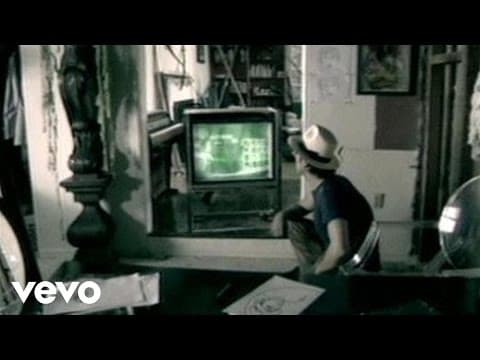
Sean Lennon - Dead Meat (2006) Director: Michele Civetta Era: Mid-2000s Indie Art-Pop (2006) - Cinemascope music-video era where albums were conceived as unified film narratives; Capitol Records indie prestige cycle intersecting NYC art-world aesthetics with cinematic storytelling High curatorial value as a documented example of the convergence between feature filmmaking and music video production in the mid-2000s. The Friendly Fire project, with Civetta as director and Lennon as co-writer, represents an ambitious, critically noted attempt to elevate the music video into long-form cinematic art. Its warm, theatrically rich visual palette, fast editorial rhythm, and narrative ambition make it a strong archival specimen of the HD-digital transition era and the downtown NYC art-pop moment of 2006. Context: Released in February 2006 as the lead single from Sean Lennon's second solo album Friendly Fire (Capitol Records, October 2006), 'Dead Meat' arrived during a moment when high-concept album-as-film projects were gaining traction in the indie and art-pop world. The Friendly Fire film represents a distinctive convergence of New York downtown art culture, celebrity casting, and cinematic ambition rarely seen in standard music video production. Lennon, as son of John Lennon and Yoko Ono, occupied a unique cultural position: simultaneously a legacy rock figure and a downtown NYC art-world insider with connections to the Beastie Boys' Grand Royal label ecosystem. The song later gained additional cultural reach when it was featured in the TV drama True Blood. Director notes: The 'Dead Meat' music video is a segment within the Friendly Fire film, a 50-minute musical feature co-written and directed by Civetta alongside Sean Lennon for Lennon's 2006 Capitol Records album Friendly Fire. Produced by Manu Gargi and Griffin Marcus for Quintessence Films, the film debuted in January 2008 on Mark Cuban's HDNet channel. The project was conceived as a unified cinematic accompaniment to the entire album, with each track's video functioning as an interconnected vignette. The overarching film explores themes of love, betrayal, and loss through surreal, theatrically staged sequences.
Source: radarchive.org
Part of RAD Archive · Watch in the documentary