DMX - Ruff Ryders' Anthem
1998
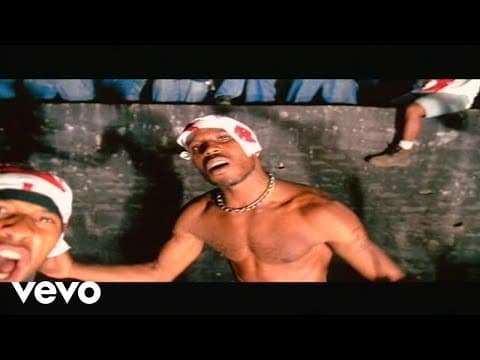
DMX - Ruff Ryders' Anthem (1998) Director: J. Jesses Smith Era: Late-90s Hardcore Hip-Hop (1998) - Peak New York street rap era; debut album cycle for DMX on Def Jam/Ruff Ryders Entertainment, a watershed moment for East Coast post-Biggie/2Pac rap dominance. An essential archival document of the precise moment DMX's visual identity was crystallized and the Ruff Ryders collective was introduced to a national audience. The video's combination of guerrilla documentary aesthetics, real motorcycle event footage, and raw location shooting gives it unique sociological value beyond its commercial significance. It represents a stylistic counterpoint to the big-budget, fish-eye-lens excess of the Hype Williams era, and its influence on hip-hop visual culture, particularly the motorcycle/street crew aesthetic, extended for decades. Tier 1 preservation priority. Context: Released May 5, 1998, during a vacuum of East Coast rap leadership following the deaths of 2Pac and Notorious B.I.G., 'Ruff Ryders' Anthem' served as a coronation for DMX and a rallying cry for the Ruff Ryders collective. The video visualized a tight-knit street crew ethos, loyalty, physical dominance, and borough pride, while introducing a motorcycle/ATV subculture that would inspire a generation of sport-bike enthusiasts. The song and video together anchored DMX's debut album *It's Dark and Hell Is Hot*, which debuted at #1 and sold over 251,000 copies in its first week. The video's documentary-adjacent production style and real-event footage gave it a rawness that distinguished it from the high-gloss Hype Williams-dominated aesthetic of the era. In 2008 VH1 ranked the song #79 on its 100 Greatest Songs of Hip Hop. Director notes: Directed over four days of location shooting. Locations included a prison yard, inner-city alley, and a school bus exterior. The video captured the aftermath of 'the Wink Parade,' a real motorcycle event, lending authentic documentary energy to the stunt-riding sequences. The original concept called for white Harley Davidson riders but was organically replaced by the real-world biker event. Smith described the shoot as the moment DMX was 'visually born,' solidifying the rapper's shirtless, bandana-wearing street persona that would define his public image. The video was DMX's second, following 'Get at Me Dog,' also directed by Smith.
Source: radarchive.org
Part of RAD Archive · Watch in the documentary