Andrew Gold — Thank You For Being A Friend
JUL 01 1978 · 12:00
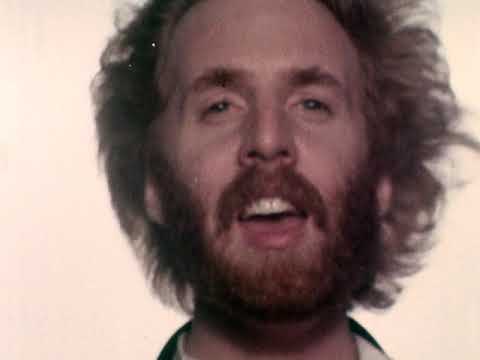
Andrew Gold — Thank You For Being A Friend (1978) Era: Late 1970s Soft Rock / Laurel Canyon Pop (1978) - Peak era of the Los Angeles singer-songwriter scene; promotional clip tied to the Asylum Records commercial cycle for 'All This and Heaven Too' High. This is the only known official promotional video for one of the most culturally durable soft rock singles of the 1970s. As a pre-MTV artefact produced during Asylum Records' creative peak, it preserves a specific mode of artist promotion that was largely superseded by 1981. The song's later adoption by 'The Golden Girls' and its continued appearance in film, TV, advertising, and internet culture from 1985 to the present make this clip an anchor document for longitudinal studies of pop music's cultural afterlife. Context: Released in 1978 at the commercial apex of the Los Angeles soft rock movement, this promotional video accompanied Andrew Gold's most enduring single from 'All This and Heaven Too' on Asylum Records — the label home of Eagles, Linda Ronstadt, and Jackson Browne. Gold was a quintessential Laurel Canyon figure: a multi-instrumentalist and session stalwart who played on Linda Ronstadt's landmark 1970s records before achieving solo success. The song later gained a second, arguably larger cultural life as the theme to NBC's 'The Golden Girls' (1985–1992) in a cover version by Cynthia Fee, cementing it as a trans-generational friendship anthem. The promo clip represents the pre-MTV era of label-produced promotional films intended for TV variety and music programmes rather than a dedicated video channel. Director notes: The video is confirmed as a 1978 promotional clip released in conjunction with Andrew Gold's single 'Thank You for Being a Friend' from his third Asylum Records album 'All This and Heaven Too.' The single charted at #25 on the US Billboard Hot 100 in 1978. Apple Music and IMDb both date the music video to 1978 with a running time of approximately 4:30–4:31. The video appears to follow the standard late-1970s promo format: a single-artist performance piece with minimal narrative construction, consistent with Asylum Records' promotional approach of the period. No confirmed production company, studio, or crew have been documented in available sources.
Source: radarchive.org
Part of RAD Archive · Watch in the documentary