Richard Marx — Hazard
JUL 01 1992 · 12:00
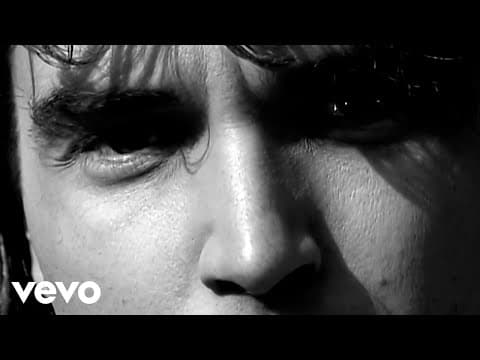
Richard Marx — Hazard (1992) Director: Michael Haussman Era: Post-Hair Metal / Adult Contemporary Peak (1992) - An era when polished pop-rock storytelling dominated MTV airplay, with cinematic narrative videos displacing performance-only clips as the premium format. Exceptionally high. 'Hazard' is a defining artifact of the 1992 narrative video format, notable for its cinematic ambition, moral complexity, and enduring cultural footprint. Its quantitative profile — extreme desaturation, low brightness, fast cutting — is a textbook fingerprint of the early-90s prestige music video aesthetic. The confirmed directorial attribution to Michael Haussman, combined with documented alternate cuts and sustained audience debate, makes this a primary research object for scholars of music video history, visual storytelling, and pop culture semiotics. Context: Released January 28, 1992, 'Hazard' arrived at the apex of MTV's narrative music video era, when the channel regularly broadcast short films of 4–5 minutes with full story arcs. The video's small-town Nebraska setting, ambiguous morality, and social-outcast protagonist tapped into a broad early-90s cultural anxiety around community scapegoating and class prejudice. Its sustained audience debate about the protagonist's guilt — still active on fan forums decades later — marks it as a rare example of a music video functioning as genuinely open-ended dramatic text. Marx noted he considered it a song no one would notice; it instead became his third No. 1 on the Billboard Adult Contemporary chart and charted internationally across Australia, Canada, Ireland, and the UK. Director notes: Haussman both directed and wrote the 'Hazard' video, framing it as a miniature crime film rather than a conventional music promo. The production employs location-based realism, drawing from Haussman's signature cinematic approach influenced by Italian neorealism. The video leaves the protagonist's guilt deliberately unresolved, generating lasting viewer speculation. A second alternate version of the video exists featuring different dialogue, supporting a suicide rather than murder interpretation. The near-zero saturation and low brightness measured in the quantitative metadata directly reflect Haussman's intentional palette choice to create rural dread and moral ambiguity.
Source: radarchive.org
Part of RAD Archive · Watch in the documentary