Arrested Development — Tennessee
JUL 01 1992 · 12:00
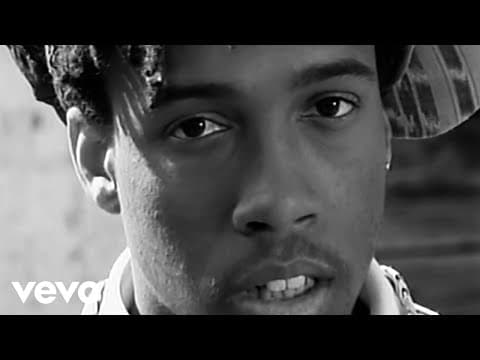
Arrested Development — Tennessee (1992) Director: Milcho Manchevski Era: Golden Age of Conscious Hip-Hop (1992) - The year Southern alternative rap broke nationally, starkly contrasting the rising dominance of West Coast gangsta rap with Afrocentric spirituality, rural imagery, and communal identity. Exceptional. Tennessee is one of the most historically and aesthetically significant hip-hop music videos of the early 1990s, functioning simultaneously as a grief elegy, political document, and photographic art object. Directed by a filmmaker who would go on to receive a Venice Golden Lion, the clip's deliberate monochrome austerity and documentary grammar were radical departures from contemporary MTV production norms. Its placement on the Rock and Roll Hall of Fame's canonical list and Rolling Stone's top-100 video ranking confirms its enduring cross-cultural importance. Tier 1 preservation priority. Context: Released in March 1992, Tennessee arrived as a direct counter-statement to the dominance of West Coast gangsta rap. Atlanta-based Arrested Development foregrounded spirituality, Southern Black heritage, ancestral grief, and communal identity — themes deliberately absent from mainstream hip-hop of the moment. The video's black-and-white visual language, rural Georgia setting, and use of a property with extant slave-era structures transformed the clip into a living document of intergenerational Black American history. The song won the Grammy Award for Best Rap Performance by a Duo or Group in 1993, and Arrested Development became the first hip-hop group in history to win the Grammy for Best New Artist. The Rock and Roll Hall of Fame listed the song among its 500 Songs That Shaped Rock and Roll. Director notes: Manchevski directed the Tennessee video in 1991 (released 1992), shooting it in Georgia at a rural property already containing period slave-era artifacts and structures. The video was shot in black-and-white; Manchevski has stated it took considerable effort to convince the label to approve the monochrome format. The visual approach was inspired by Depression-era photography, including the work of Diane Arbus, Henri Cartier-Bresson, and Robert Frank. The shoot took place over approximately one day, beginning on a cold January morning. Extras included friends of band members from college and curious neighbors from the local area. Upon release, the video became a Buzz Clip on MTV and helped launch the band internationally. It was later edited into the compilation And Ya Don't Stop: Hip Hop's Greatest Videos, Vol. 1. Rolling Stone placed it on their list of the 100 best music videos ever made.
Source: radarchive.org
Part of RAD Archive · Watch in the documentary