THE CURE- PLAY FOR TODAY — THE CURE- PLAY FOR TODAY
JUL 01 1980 · 12:00
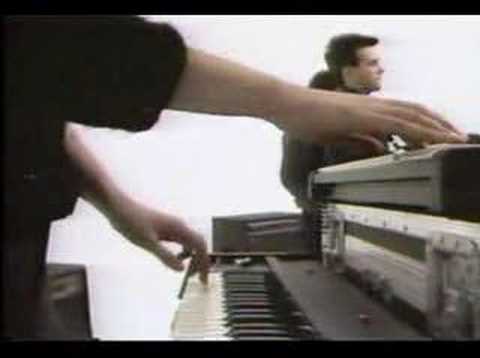
THE CURE- PLAY FOR TODAY — THE CURE- PLAY FOR TODAY (1980) Director: David G. Hillier Era: Post-Punk Transition Era (1980) - UK independent music scene at the cusp of post-punk's turn toward gothic minimalism; early DIY promo video culture on Fiction Records High curatorial value as a rare surviving promo clip from The Cure's formative period, predating their iconic visual identity. Documents the transitional post-punk lineup and sound that bridges their debut and the gothic trilogy. One of only two known Cure promo videos from 1980 directed by David G. Hillier, making it a paired archival artifact alongside 'A Forest.' Essential for any retrospective on British post-punk or early independent music video production. Context: Released in March 1980 as the second single from Seventeen Seconds, 'Play for Today' arrived at a pivotal moment in British alternative music: the tail end of punk's energy colliding with the minimalist, introspective aesthetics that would define post-punk and early goth. The Cure's lineup had just shifted with Simon Gallup replacing Michael Dempsey on bass and Matthieu Hartley joining on keyboards, giving the band a newly sparse, atmospheric sound. The promotional video, made on a minimal Fiction Records budget, typifies the no-frills UK promo clip of the period—performance-focused, stripped of narrative, and dependent on the raw energy of the band rather than production spectacle. It documents the band at a transitional moment before their visual identity hardened into the iconic goth aesthetic of later years. Director notes: Hillier directed both The Cure's 'Play for Today' (1980) and 'A Forest' (1980) music videos, representing his earliest documented work in the music video format. Both were produced in the same year under Fiction Records, during the campaign for the album Seventeen Seconds. The videos were made within the extremely low-budget conventions of early UK promo clip production, consistent with Fiction Records' resources at the time.
Source: radarchive.org
Part of RAD Archive · Watch in the documentary