Mya, Blackstreet & Mase: Take Me There - Music Video
JUL 01 1998 · 12:00
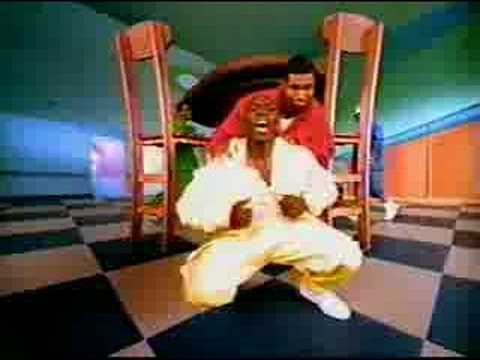
Mya, Blackstreet & Mase: Take Me There - Music Video (1998) Director: Luke Nola & Steve Saussey Era: Late-90s R&B/Hip-Hop Crossover (1998) - Peak era of New Jack Swing's commercial twilight, Bad Boy rap crossover dominance, and Nickelodeon-branded multimedia pop marketing tie-ins Exceptionally high. This video is a primary document of the late-90s synergy between children's entertainment conglomerates and mainstream R&B/hip-hop, a convergence rarely as explicitly visualized in a single music video. The Rugrats IP integration, the Nickelodeon premiere context, and the multi-genre artist assembly make it a rich artifact for studies of media convergence, music video aesthetics, and youth-market cultural production at the close of the 20th century. Context: Released in October 1998 as the lead single from The Rugrats Movie soundtrack on Interscope Records, 'Take Me There' represents a landmark example of late-90s cross-platform entertainment marketing, fusing New Jack Swing R&B, Bad Boy rap, and Nickelodeon children's IP into a single commercial artifact. The song peaked at #14 on the US Billboard Hot 100 and #10 on the Hot R&B/Hip-Hop Songs chart, and reached #1 in New Zealand. The music video debuted on Nickelodeon's SNICK block, reflecting an era when children's networks actively cross-promoted major film releases through musical guests and original programming. The collaboration was assembled by Teddy Riley, who brought together Mýa and Mase to broaden the song's demographic appeal. The song's Burger King tie-in and heavy BET and MTV rotation further illustrate the era's synergistic media ecosystem. Director notes: The video premiered in October 1998 as part of Blackstreet and Mýa's hosting of Nickelodeon's SNICK programming block. It was produced as a cross-promotional vehicle for The Rugrats Movie (released November 20, 1998). The video is set in a realistic, live-action replica of the Pickles family house from the Rugrats animated series. The framing device features cartoon character Angelica Pickles turning on a television at the start and switching it off at the end. Integrated into the video are animated clips from The Rugrats Movie, including a segment drawing from the deleted scene 'The Rugrats March.' The Reptar Wagon sequence uses film background compositing. The song itself samples the Rugrats Theme by Mark Mothersbaugh and 'Latoya' by Just-Ice, and was produced by Teddy Riley, who assembled the full artist lineup in a single recording session.
Source: radarchive.org
Part of RAD Archive · Watch in the documentary