Olivia Newton-John — If You Love Me, Let Me Know
JUL 01 1974 · 12:00
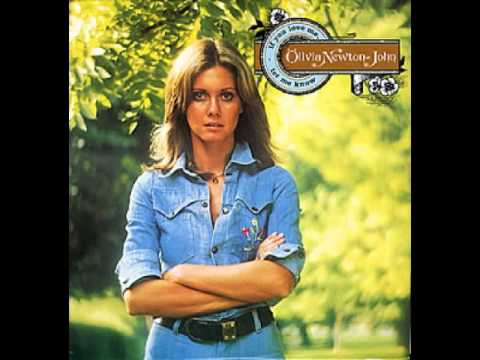
Olivia Newton-John — If You Love Me, Let Me Know (1974) Era: Early 1970s Country-Pop Crossover Era (1973–1975) - Pre-MTV promotional performance clip; single-take broadcast television aesthetic at the height of Newton-John's US country-crossover breakthrough High archival value as a pre-MTV primary source documenting the country-pop crossover era and Newton-John's breakthrough US commercial moment. The unedited single-take format and analogue broadcast aesthetic are themselves culturally significant, representing the dominant mode of pop music visual promotion before the dedicated music video format emerged. Essential for any comprehensive retrospective on 1970s adult contemporary or country-pop history. Context: Released in 1974, 'If You Love Me, Let Me Know' arrived at the apex of Olivia Newton-John's country-pop crossover moment in the United States. The single reached #5 on the Billboard Hot 100 and #2 on the Country chart, making it her highest-charting country single. The song and its parent album ignited fierce debate in Nashville: Newton-John's 1974 CMA Female Vocalist of the Year win — the first for a non-American artist — was viewed by country purists as a cultural incursion, generating industry controversy that shadowed her throughout the mid-1970s. The clip's static, high-key broadcast aesthetic reflects the pre-MTV promotional landscape, where television performance was the primary visual medium for pop promotion, and 'music videos' as a standalone format did not yet exist. Director notes: Quantitative metadata strongly indicates this is an unedited single-take performance clip: 1 scene change across a 195.16-second duration yields an average shot length equal to the full runtime, with a near-zero motion score (0.00569), confirming a static camera setup with minimal subject or camera movement. This format is entirely consistent with 1974 broadcast television performance segments — variety show tapings, promotional inserts, or BBC/ITV-style studio recordings — which predate the music video as a distinct commercial format by several years. No dedicated director credit has been located across Wikipedia, AllMusic, Discogs, Songfacts, or fan archive sources.
Source: radarchive.org
Part of RAD Archive · Watch in the documentary