James Brown — Payback
JUL 01 1974 · 12:00
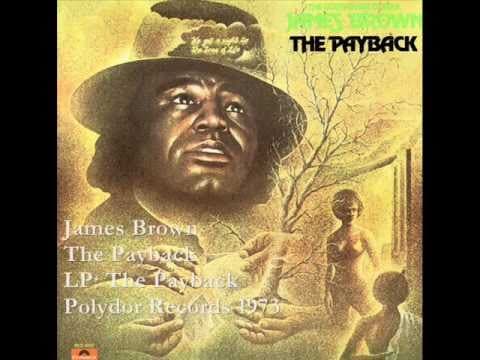
James Brown — Payback (1974) Era: Early Funk Era (1973–1974) - Peak blaxploitation-adjacent soul-funk, post-civil-rights Black musical assertiveness, pre-disco fragmentation of the R&B market Exceptionally high. As a live performance document of one of the most sampled and culturally consequential funk recordings ever made, this footage offers an irreplaceable primary source for scholars of Black music history, performance studies, and popular culture. The near-uncut, single-take documentary format provides unmediated access to Brown's stage presence and band interplay at the precise historical moment of the track's release and cultural ascent. Context: Recorded in Augusta, Georgia in 1973 and released in early 1974, 'The Payback' emerged from a clash between James Brown's creative autonomy and Hollywood's blaxploitation machinery. Originally conceived as the soundtrack to 'Hell Up in Harlem,' the material was rejected by producers, and Brown defiantly released it as a standalone double album — an act of creative independence that mirrors the song's revenge-fueled themes. The track reached #1 on the R&B charts and became a touchstone of funk's political and social defiance, predating and influencing hip-hop's grammar of grievance, street credibility, and sample-based memory. Its cultural afterlife spans over five decades of sampling across hip-hop, R&B, film, and television. Director notes: Web searches return no promotional music video with a credited director for James Brown's 'The Payback.' The YouTube identifier (istJXUJJP0g) and quantitative metadata (3 scene changes, 455.7s duration, avg shot length 151.9s, near-zero motion score) are all consistent with a live single-performance document rather than an edited promo. The most historically documented live recording of this song from 1974 is the Zaire '74 / Soul Power concert footage. No directorial credit can be confirmed or responsibly inferred.
Source: radarchive.org
Part of RAD Archive · Watch in the documentary