Blondie — One Way Or Another
JUL 01 1979 · 12:00
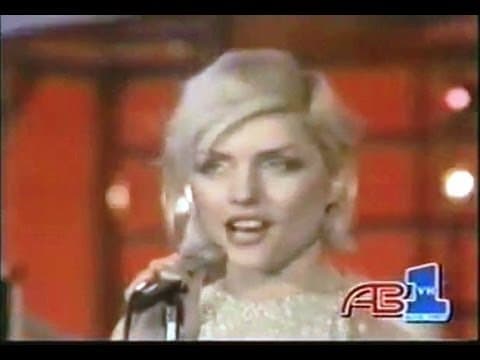
Blondie — One Way Or Another (1979) Era: New Wave Emergence (1978–1980) - The post-punk commercial breakthrough period in which CBGB-scene bands like Blondie crossed over to mainstream pop success while retaining punk-derived energy; the single was released in 1979 as the fourth North American single from Parallel Lines. High. This clip is a primary document of Blondie at the precise moment of their mainstream breakthrough, preserving performance style, visual aesthetic, and production values from the pre-MTV era. As one of the most influential new wave acts, the footage holds significant archival value for researchers studying gender in rock, CBGB-era New York, and the developmental grammar of the music video form. The slow-cut, performance-locked structure also offers a rare counterpoint to the rapid-edit language that would define the MTV decade. Context: Released in 1979, 'One Way or Another' arrived at a pivotal juncture when the CBGB underground was colliding with mainstream commercial pop. Blondie, having emerged from the same New York downtown scene as The Ramones and Television, leveraged punk energy into radio-accessible hooks without fully abandoning their subcultural roots. The song's lyrical subject — a first-person stalker narrative drawn from Harry's real experience — is masked by an aggressively catchy melody, exemplifying the era's tendency to smuggle dark content into pop forms. The promotional clip aesthetic of this period predates MTV (launched 1981) and reflects an industry still learning the grammar of the music video, favoring live performance documentation over constructed narrative. Rolling Stone ranked the track 298th on its 500 Greatest Songs list, and it has since become one of the most recognizable records of the new wave era. Director notes: The official music video listed on Discogs runs 4:50. The file being annotated runs 210.6s (approximately 3:31), suggesting this may be a live performance clip, a TV appearance promo, or an alternate edit rather than the canonical official music video. The quantitative fingerprint — 7 scene changes, 30s average shot length, slow editing pace, low brightness (92.60/255), and low contrast (31.27) — is consistent with a live stage or television studio capture from 1978–1979, shot on 16mm film or early broadcast video under tungsten practical lighting.
Source: radarchive.org
Part of RAD Archive · Watch in the documentary