Ne-Yo - Go On Girl
2007
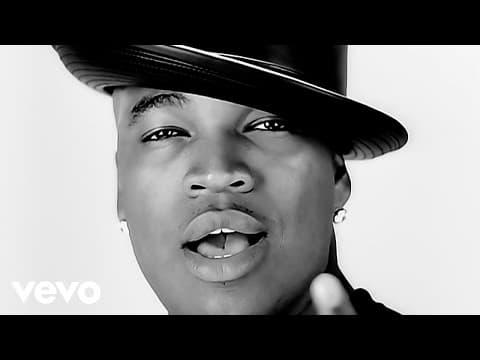
Ne-Yo - Go On Girl (2007) Director: Hype Williams Era: Mid-2000s R&B Renaissance (2007) - Peak era of polished, cinematic R&B music video production, characterized by high-contrast monochrome aesthetics, luxury fashion integration, and major-label investment in auteur video directors. High curatorial value as a confirmed Hype Williams-directed work from his post-Vanguard Award period, featuring his signature cinematic lighting and selective color technique applied to a commercially and culturally significant R&B single. The video's documented costume design by June Ambrose and its premiere on MTV Jams make it a well-sourced artifact of mid-2000s R&B visual production infrastructure. The quantitative production fingerprint (high contrast, muted saturation, warm temperature, rapid cutting) is analytically consistent with the documented monochrome-plus-accent aesthetic. Context: Released in December 2007 as the fourth and final single from Ne-Yo's second studio album Because of You, 'Go On Girl' arrived during a peak moment for polished, cinematic R&B video production. Hype Williams, who had already received the MTV Michael Jackson Video Vanguard Award in 2006, brought his signature cinematic vocabulary to a song Ne-Yo publicly framed as a male-empowerment counterpart to Beyoncé's 'Irreplaceable.' The video's monochrome palette and high-fashion staging reflect the mid-2000s convergence of R&B music, luxury visual branding, and reality-TV celebrity culture. The video peaked at #27 on the Billboard Hot R&B/Hip-Hop Songs, marking Ne-Yo's tenth top-40 R&B hit. Director notes: The video for 'Go On Girl' was shot entirely in black and white, with a single isolated color accent, a yellow sash on the featured model, as the signature visual device. Costume design was by June Ambrose, a frequent Hype Williams collaborator. The video premiered on MTV Jams. Hype Williams had previously directed Ne-Yo's number-one hit 'So Sick,' making this a continuation of their creative partnership. The quantitative data (brightness 127.95/255, contrast 100.49, saturation 0.77, color temperature 1.98, rapid avg shot length 1.71s) is consistent with a high-contrast black-and-white studio production using warm tungsten lighting, with the selective color accent inflating the warm temperature reading despite the monochrome base.
Source: radarchive.org
Part of RAD Archive · Watch in the documentary