U2 — Where The Streets Have No Name
JUL 01 1987 · 12:00
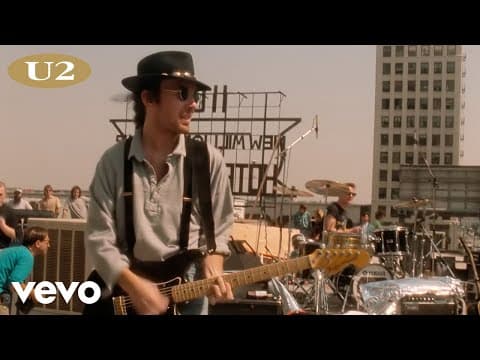
U2 — Where The Streets Have No Name (1987) Director: Meiert Avis Era: MTV Golden Era / Post-Punk Arena Rock Ascendancy (1987) - Peak period of the music video as cultural event, coinciding with U2's global commercial breakthrough via The Joshua Tree and the height of MTV's cultural influence. An exceptionally high-value archival document representing both the peak of U2's 1980s cultural ascendancy and a pivotal moment in music video history. The video's fusion of guerrilla production, deliberate media manipulation, and genuine civic disruption makes it a unique primary source for studying the intersection of rock spectacle, urban space, and broadcast media in the late Reagan era. Its Grammy recognition and enduring critical reputation confirm its canonical status. The 16mm film master format and 7:13 runtime — unusually long for a promotional clip — further distinguish it as a serious production artifact. Context: Released in 1987 as the third single from The Joshua Tree — U2's fastest-selling album in both the US and UK at the time — this video crystallized the band's arrival as a global arena rock phenomenon. Filmed in the Skid Row-adjacent intersection of 7th and Main in Downtown Los Angeles, the production deliberately invoked the mythology of the Beatles' 1969 Apple Corps rooftop concert, consciously positioning U2 within rock's pantheon while grounding the moment in a gritty urban American setting that mirrored the album's spiritual-yet-earthbound Americana themes. The song's lyrical origins — Bono's meditation on Belfast's sectarian geography where a street's name could reveal religion and income — lend the video's urban chaos an additional layer of socio-political resonance. The planned police shutdown transformed a promotional clip into a live event of genuine civic disruption, a media spectacle that prefigured the 1990s era of engineered cultural moments. Director notes: Directed by Meiert Avis and produced by Michael Hamlyn and Ben Dossett. Filmed on 16mm film on March 27, 1987 on the rooftop of the Republic Liquor Store at 7th Street and Main Street in Downtown Los Angeles. The band performed the song four times live to generate sufficient coverage, though the studio recording was used as the final audio track. The shoot intentionally leveraged radio DJ announcements to draw a crowd exceeding 1,000 people, with police shutdown of the production built into the video's narrative arc as a planned dramatic element. A backup generator was installed on the roof in anticipation of authorities cutting power, which did occur. The video won the Grammy Award for Best Performance Music Video, beating out entries from David Bowie and Stevie Nicks.
Source: radarchive.org
Part of RAD Archive · Watch in the documentary