Jody Watley — Don't You Want Me
JUL 01 1987 · 12:00
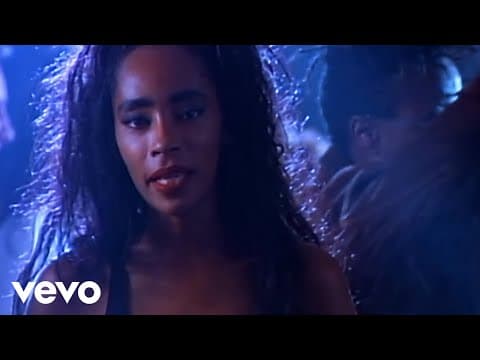
Jody Watley — Don't You Want Me (1987) Director: Dominic Sena Era: Late MTV Golden Era (1987) - Peak of high-concept R&B/pop crossover music video production, coinciding with MCA Records' investment in visual branding for solo breakout artists formerly associated with group acts. High curatorial value as a confirmed Dominic Sena / Propaganda Films production documenting one of the defining crossover singles of 1987. The video is a rare archival record of Jody Watley's visual identity at the precise moment of her solo breakthrough, combining authentic downtown LA club-scene aesthetics with high-concept MTV production values. Its chart performance (#6 Hot 100, #1 Dance) and the subsequent Grammy win for the parent album (Best New Artist, 1988) anchor this video within a broader narrative of late-1980s Black pop cultural achievement on mainstream American television. Context: Released in August 1987 as the third single from Jody Watley's Grammy-winning debut album on MCA Records, 'Don't You Want Me' arrived at the height of Watley's transformation from Shalamar group member and Soul Train dancer into a fully realized solo pop and R&B icon. The video's downtown Los Angeles warehouse setting — confirmed by Watley herself as inspired by her love of the underground club scene — placed it at the intersection of high-concept MTV visual branding and the authentic dance-floor culture from which she emerged. Produced by Bernard Edwards of Chic, the track and video together embodied the late-1980s moment when Black female pop artists were asserting fashion-forward, stylistically autonomous identities on MTV. The single reached #6 on the Billboard Hot 100, #1 on Dance Club Songs, and #3 on Hot R&B/Hip-Hop Songs, marking one of the biggest crossover moments of 1987. Director notes: Directed for Jody Watley's third single from her 1987 debut album, released August 1987 on MCA Records. Per the official Jody Watley website, the video was filmed at a downtown Los Angeles warehouse, which Watley herself cited as reflective of her longstanding affinity for the underground club scene. The production was made during Sena's peak Propaganda Films period, when he was establishing himself as one of the leading music video directors in the United States. The fast-cut editing (avg. shot 3.94s), warm tungsten lighting, and kinetic performance staging are consistent with Sena's documented visual style during this era.
Source: radarchive.org
Part of RAD Archive · Watch in the documentary