Pat Benatar — You Better Run
JUL 01 1980 · 12:00
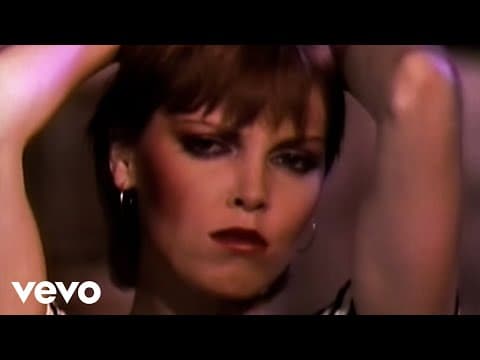
Pat Benatar — You Better Run (1980) Director: Nick Saxton Era: MTV Dawn Age (1980-1981) - Pre-launch music video era; one of the first American rock performance clips produced expressly for the nascent video broadcast format, filmed in a raw warehouse aesthetic with minimal production infrastructure. Tier-1 archival artifact of the highest cultural significance. This is not merely a music video but a primary document of the birth of MTV and the inauguration of female and American rock representation on the platform. Its raw industrial aesthetic, lap-dissolve editing grammar, Norma Kamali costuming, and Saxton's provocation-as-direction methodology make it essential viewing for scholars of gender in rock, media history, fashion, and the semiotics of early video production. Irreplaceable in any serious study of 1980s visual culture. Context: Produced in 1980 and broadcast on August 1, 1981, 'You Better Run' holds an irreplaceable position in the history of visual media: it was the second music video ever aired on MTV, immediately following 'Video Killed the Radio Star' by The Buggles. It was simultaneously the first video by a woman, the first by an American artist, and the first by a rock act to air on the network — a trifecta of representational firsts deliberately chosen by MTV executive Steve Casey to signal the channel's ambitions. Shot in a Manhattan industrial space with Norma Kamali costuming, the clip codified an aesthetic of raw, unglamorous American rock femininity that would define Benatar's early MTV identity. Benatar's genuine on-set frustration, channeled into fierce performance energy, inadvertently created the template for the confrontational female rock video persona that influenced a generation of artists. Director notes: Saxton shot the video in a run-down locomotive repair shop beneath Manhattan's West Side Highway, using available tungsten and colored-gel lighting. Costume design was provided by Norma Kamali, with hair and makeup by Sharon Slattery. Saxton reportedly provoked Benatar's authentic on-camera aggression by deliberately offending her during the shoot, exploiting her genuine anger to produce the fierce, sassy performance the song demanded. The clip uses lap-dissolves to smooth over what would otherwise be jump cuts — a Nouvelle Vague-influenced editorial technique noted by film scholars as characteristic of early music video grammar. The video is a single-setup, single-performer-group performance piece with no narrative or conceptual superstructure.
Source: radarchive.org
Part of RAD Archive · Watch in the documentary