Cccp — American Soviets
JUL 01 1987 · 12:00
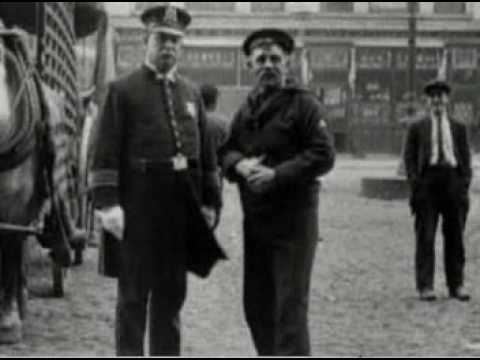
Cccp — American Soviets (1987) Director: Peter Scammell Era: Cold War Synth-Pop Era (1986–1987) - West German electronic dance music responding to superpower geopolitical tension; peak of EBM/synth-pop crossover on European and US club charts High. This video represents a rare convergence of chart-successful political satire, West German electronic dance production, and early MTV-era European music video craft. The confirmed directorial credit (Peter Scammell, IMDb-verified) and documented chart history (US Billboard, German Top 75) provide solid provenance. As a 1987 artifact with cross-Atlantic commercial impact and clear Cold War cultural coding, it offers substantial value for archives focused on political pop, EBM history, and European music video aesthetics of the mid-to-late 1980s. Context: Released in 1987 at the height of Cold War cultural anxiety, C.C.C.P.'s 'American Soviets' weaponized the superpower standoff as dance-floor spectacle. The band — a West German project led by Rasputin Stoy (Rai Streubel) — provocatively adopted the Soviet state acronym as its name and built its signature track around a mock diplomatic dialogue between Reagan and Gorbachev. The single was originally released in 1986 by Clockwork Germany and spent twelve weeks on the German singles chart, later crossing over to the US Billboard charts. The video's low-brightness, warm-toned, theatrically restrained aesthetic mirrors the paranoid yet darkly humorous tone of late Cold War European pop art, situating it within a tradition of political-conceptual music video production emerging from the West German and broader European underground. Director notes: Confirmed as director of C.C.C.P.: American-Soviets (1987) via IMDb (https://www.imdb.com/title/tt37785236/). The video is listed with a 1987 West German release date and a runtime of approximately 4 minutes, matching the quantitative metadata duration of ~255 seconds. The production reflects Scammell's documented practice of using mixed-format footage (16mm/35mm with hand-held Super 8) to achieve a contrasted, edgy aesthetic — a technique he has described in interviews. The warm, low-brightness look and moderate cutting pace are consistent with his broader mid-to-late 1980s directorial output.
Source: radarchive.org
Part of RAD Archive · Watch in the documentary