The Emancipation of the Serfs
MAR 03 1861 · 12:00
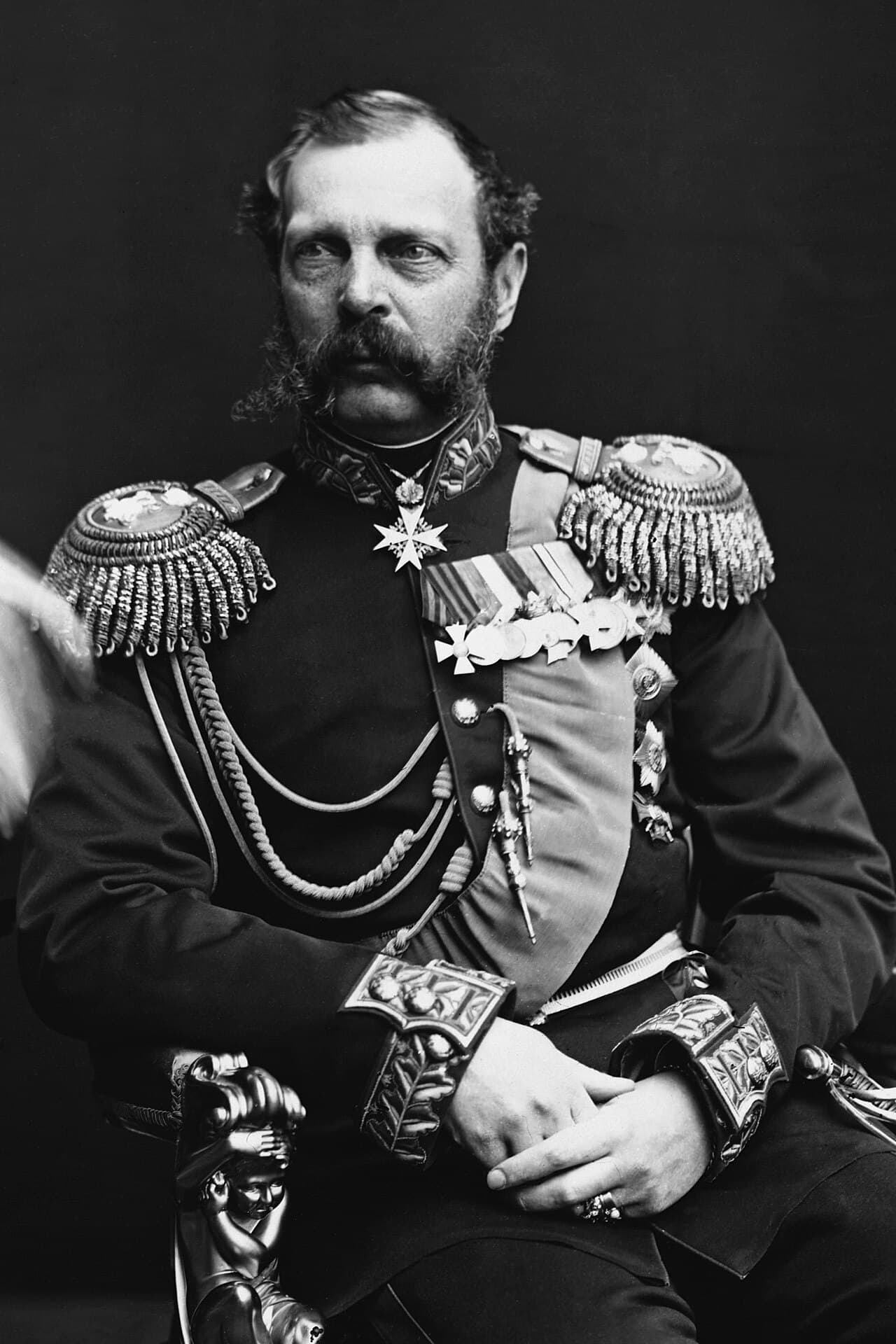
Photographic portrait of Tsar Alexander II, the Emancipator. Place: St Petersburg Figures: Tsar Alexander II, signing · Yakov Rostovtsev, head of the editing commissions · the 23 million serfs receiving personal liberty and a redemption debt Better From Above Than Below Russia in 1855 has just lost the Crimean War (see [[crimean-war-1854]]) to coalition powers whose industrial and military superiority has been demonstrated in the field. The new tsar, Alexander II, addresses the Moscow nobility in March 1856 with a sentence that becomes the program: it is better to abolish serfdom from above than to wait until it begins to abolish itself from below. Editing commissions work for five years on drafts. The manifesto is signed on 3 March 1861 (19 February in the Julian calendar still used in Russia) and read from every church pulpit on the following Sunday. Twenty-three million peasants receive personal liberty: the right to marry, own property, conduct business, sue and be sued. They also receive land allotments, calculated and assigned through a redemption process whose terms favor the gentry. The state pays the landlords up front in interest-bearing bonds and recoups the value from the peasants over forty-nine years. Modernization Without Constitution The emancipation is followed across the 1860s by further Great Reforms: the zemstvo system of local self-government (1864), a modernized judiciary with juries (1864), universal military conscription (1874), expanded municipal government. Censorship is relaxed; universities are partly liberated. Russia attempts what the rest of Europe had attempted in 1848 (see [[revolutions-of-1848]]), but under autocratic direction, deliberately without a parliament or constitution at the imperial level. The result satisfies no one. The peasants regard the redemption payments as a swindle and the land allotments as insufficient. The gentry regard themselves as ruined. The radical intelligentsia regards the half-measures as proof that the autocracy is incapable of genuine reform; the Populist going to the people of the 1870s and the People's Will, which assassinates Alexander II in March 1881, follow directly. Russia's twentieth century (the 1905 revolution, the 1906 Duma, the 1917 revolutions) is foreshadowed in the 1861 attempt to modernize the substance of sovereignty while keeping its form intact. The Westphalian state, in the Russian case, will be remade by collapse rather than by constitution Video: Alexander II frees the serfs in 1861 — the largest single act of European emancipation, told inside the Romanov arc.
Source: westphalia-oracle.vercel.app