Sting — Englishman In New York
JUL 01 1988 · 12:00
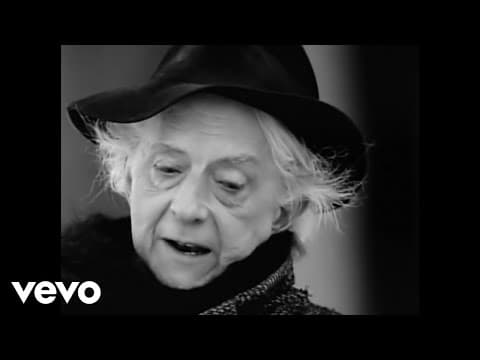
Sting — Englishman In New York (1988) Director: David Fincher Era: Late MTV Golden Age (1988) - Peak single-channel music video promotion era; black-and-white art-house aesthetic signaling post-New Wave sophistication and jazz-inflected sophisti-pop Exceptionally high. This video sits at the intersection of multiple archival priorities: it is an early confirmed David Fincher directorial work predating his Hollywood career; it features Quentin Crisp, a historically significant LGBTQ cultural figure, in a mainstream promotional context; and it represents a pivotal aesthetic moment in 1980s music video history — the maturation of the form toward cinematic seriousness. The quantitative data (near-zero saturation, high contrast, rapid 1.79s avg shot length) confirms and authenticates its black-and-white photochemical identity, making it an ideal reference artifact for era-classification and production-fingerprinting research. Context: Released in February 1988 as the third single from Sting's Nothing Like the Sun, 'Englishman in New York' is a portrait of Quentin Crisp — British writer, raconteur, and openly gay cultural figure — who relocated from London to New York's Bowery in the mid-1980s. The song and video celebrate radical individualism, cultural dislocation, and the experience of the British expatriate in America. Filmed in black-and-white on New York streets, it evokes both jazz-age Manhattan and the bohemian downtown arts scene of the late 1980s. Crisp's visible presence in the video afforded rare mainstream LGBTQ visibility at a time of intense cultural conservatism and ongoing AIDS crisis. The video's restrained, art-house aesthetic — directed by a pre-Hollywood David Fincher — positions it as a deliberate counter to the glossy excess of mid-80s MTV production. Director notes: Shot in black-and-white, the video was produced in 1988 as a promotional clip for Sting's single from the album Nothing Like the Sun (1987). Fincher directed the video through Propaganda Films, the production company he co-founded in 1986–87. The video features Sting and his band performing in New York City settings alongside Quentin Crisp, the British writer and gay icon who had relocated from London to Manhattan's Bowery district. The black-and-white photochemical aesthetic aligns with Fincher's emerging cinematic signature of the period — high-contrast, noir-inflected imagery with strong documentary realism — predating his landmark work on Madonna's 'Express Yourself' (1989) and 'Vogue' (1990) by approximately one year. The video ends with a spoken monologue delivered in an elderly male voice, which was removed from the official upload in 2011.
Source: radarchive.org
Part of RAD Archive · Watch in the documentary