Daryl Braithwaite — As The Days Go By
JUL 01 1988 · 12:00
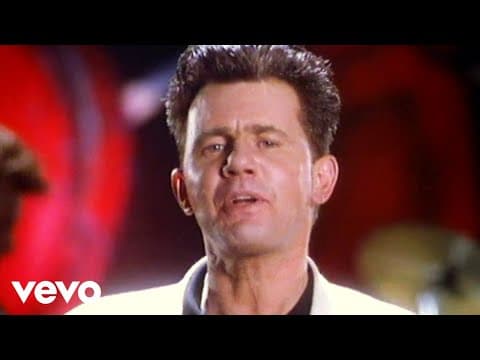
Daryl Braithwaite — As The Days Go By (1988) Era: Late-80s Australian Adult Contemporary (1988) - Peak-era glossy pop production coinciding with Daryl Braithwaite's commercial comeback after a decade-long chart absence, reflecting the global late-80s shift toward polished, warm-toned music video aesthetics. High curatorial value as a primary visual document of Australia's late-80s adult contemporary pop renaissance. The video encapsulates the warm, analogue aesthetic of the period and is tied to one of the decade's most commercially significant Australian albums. Its understated production style and unattributed directorial credit make it a useful benchmark for studying the norms of Australian clip-making prior to the MTV-globalisation of the early 1990s. Context: Released in August 1988, 'As The Days Go By' marked Daryl Braithwaite's commercial re-emergence after nearly a decade away from the Australian charts, following the dissolution of The Sherbs in 1984. The song — a cover of a 1985 Ian Thomas composition — was the lead single from the album Edge, which went on to become the best-selling album ever released by Sony Music Australia at the time. The video sits within the broader late-80s Australian pop moment when artists like Braithwaite, John Farnham, and Richard Clapton were reclaiming mainstream space with polished adult contemporary productions. The warm, unhurried visual aesthetic mirrors the song's nostalgic emotional register, and the video's understated production style reflects the Australian industry's approach to the format at a time when local clip-making was rapidly professionalising. Director notes: Released in 1988 as the lead single from the album Edge (CBS/Sony, recorded at Platinum Studios, Melbourne, April–September 1988). The video was produced in Australia concurrent with the single's August 19, 1988 release. No production company, director, or crew credits have been publicly catalogued on IMVDb or IMDB. The album was produced by Simon Hussey, who received an ARIA Producer of the Year nomination in 1989 for the record.
Source: radarchive.org
Part of RAD Archive · Watch in the documentary