Rod Stewart — Love Touch (1986)
JUL 01 1986 · 12:00
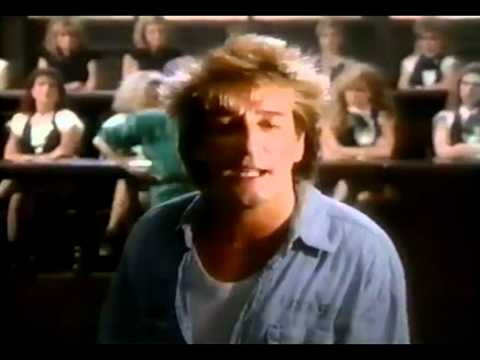
Rod Stewart — Love Touch (1986) (1986) Director: Mary Lambert Era: Mid-80s MTV Pop-Rock & Soundtrack Synergy Era (1984–1988) - Peak era of cross-promotional music video marketing, when major studio films licensed pop artists to produce tied-in music videos with theatrical footage for simultaneous MTV and cineplex exposure. High curatorial value as a documented artifact of the mid-1980s Hollywood-MTV cross-promotional ecosystem. Directed by Mary Lambert at the height of her music video career, the video is a well-preserved example of the hybrid performance/film-clip format that characterized major studio soundtrack tie-ins. Its commercial success (#6 US Billboard) and thematic integration with a major studio release make it a primary source for research into 1986 popular culture, music industry marketing, and the evolving grammar of the music video form. Context: Released in June 1986 at the apex of MTV's cultural dominance, 'Love Touch' exemplifies the era's symbiotic relationship between the music industry and Hollywood. The song served as the de facto theme for Ivan Reitman's Legal Eagles — a major studio romantic comedy — yet was notably absent from the film's official MCA soundtrack album, highlighting the complex licensing negotiations of the period. The music video's courtroom conceit fused Stewart's charismatic performance persona with the film's setting, a format that was, per contemporary observers, 'starting to become a trend' in cross-promotional marketing. The single reached #6 on the Billboard Hot 100, representing one of Stewart's strongest US commercial performances of the decade. Director notes: Confirmed director per IMDb (https://www.imdb.com/title/tt7179632/), IMVDb (https://imvdb.com/video/rod-stewart/love-touch), and FilmAffinity (https://www.filmaffinity.com/us/film138663.html). The video integrates Rod Stewart's theatrical courtroom performance with intercut footage from Ivan Reitman's 1986 film Legal Eagles, serving a dual promotional function for both the single and the film. Cinematography credited to Bill Pope; editing by Glenn Morgan; costume design by Marlene Stewart. Released on Warner Bros. Records, 1986.
Source: radarchive.org
Part of RAD Archive · Watch in the documentary