Aerosmith — Love In An Elevator
JUL 01 1989 · 12:00
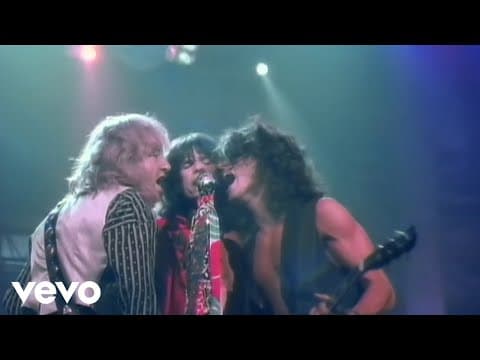
Aerosmith — Love In An Elevator (1989) Director: Marty Callner Era: Late MTV Golden Age (1989) - Peak hair-metal/hard rock era; Aerosmith's commercially triumphant comeback period anchored by the Pump album cycle on Geffen Records High-tier archival asset. 'Love in an Elevator' is a confirmed landmark of the MTV Golden Age, directed by one of the era's most prolific and influential music video directors. It encapsulates the visual, cultural, and commercial logic of late-1980s hard rock at its commercial zenith. Its technical profile — fast editing, theatrical staging, warm film-stock look, and dual-setting structure — makes it an essential comparative reference for scholars of music video history, popular culture, and the Aerosmith catalogue. Context: Released in August 1989, 'Love in an Elevator' arrived at the apex of the MTV hair-metal era, when music videos functioned as primary promotional and cultural vehicles. Aerosmith's video represents a pivotal moment in the band's second-act commercial renaissance following their mid-80s sobriety and re-signing to Geffen Records. Filmed at the iconic Bullocks Wilshire department store in Los Angeles, the video blends risqué humour with hard-rock spectacle in a way that exemplified Marty Callner's dominant visual language for the genre. The single peaked at No. 5 on the Billboard Hot 100 and reached No. 1 on the Hot Mainstream Rock Tracks chart, cementing Aerosmith's status as one of the era's pre-eminent rock acts and reinforcing MTV's role as the era's cultural arbiter. Director notes: Callner directed 'Love in an Elevator' in 1989 for Aerosmith's Pump album cycle on Geffen Records. The video was filmed at the luxury Bullocks Wilshire department store in Los Angeles. It employs Callner's signature dual-setting structure: concert performance footage intercut with comedic narrative vignettes. The video is listed on IMDB (tt6903208), IMVDb, and confirmed across Wikipedia, Billboard, Rolling Stone, and Hollywood Reporter as a Callner production. It is one of multiple Aerosmith videos Callner directed, alongside 'Dude (Looks Like a Lady),' 'Livin' on the Edge,' 'Cryin',' 'Crazy,' and 'Amazing.' The video's risqué-but-comedic tone was characteristic of Callner's stated philosophy that rock video should project 'attitude' rather than gratuitous content.
Source: radarchive.org
Part of RAD Archive · Watch in the documentary