Das Damen — Noon Daylight
JUL 01 1989 · 12:00
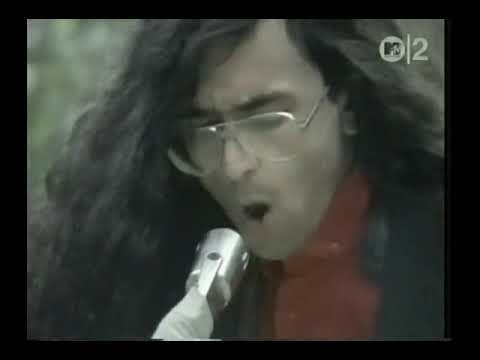
Das Damen — Noon Daylight (1989) Era: Late-80s American Underground (1989) - Peak era of SST/Twin Tone indie noise-rock; college radio alternative scene at maximum pre-grunge tension, bridging hardcore's DIY ethos with psychedelic hard rock ambition. High curatorial value as a rare surviving promotional video artifact from a critically significant but commercially overlooked band at peak creative form. Captures the precise aesthetic and cultural coordinates of American underground rock in 1989 — the last year before grunge's commercial dominance reshaped the landscape. Useful as a primary document for scholars of indie rock history, SST/Twin-Tone label culture, and the visual language of pre-MTV-mainstream alternative music. Context: Released in 1989 on Twin/Tone Records — the Minneapolis label also home to The Replacements and Hüsker Dü — 'Noon Daylight' captures Das Damen at a transitional moment: newly signed after a contentious departure from SST Records, and recording with a reconstituted lineup. The track and its video sit at the intersection of the New York noise-punk underground and the broader American college radio ecosystem, appearing just as the Seattle grunge wave was cresting. Das Damen's blend of '60s psychedelia, acid rock, and punk distortion made them singular within the SST/Twin-Tone orbit, and 'Noon Daylight' was widely regarded as among their most accessible and melodically refined statements — a DIY artifact of the Reagan-era underground at its most cohesive. Director notes: The video was produced in 1989 as a promotional clip for 'Noon Daylight,' the lead single from the album Mousetrap (Twin/Tone Records, TTR 89170), recorded at Fort Apache Studios in Cambridge, Massachusetts and produced/engineered by Sean Slade. The single was also released as a 7" (Twin/Tone TTR 89139) and a European 12" import on What Goes On Records with live B-sides recorded at a Boston 1989 gig. No video production credits have surfaced in any archived or digitized source.
Source: radarchive.org
Part of RAD Archive · Watch in the documentary