David Byrne — Make Believe Mambo
JUL 01 1989 · 12:00
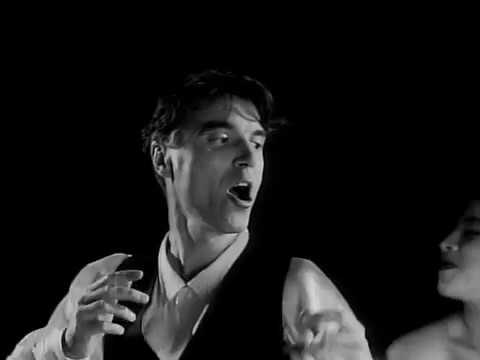
David Byrne — Make Believe Mambo (1989) Director: David Byrne Era: Post-New Wave Latin Crossover Era (1989) - Period of art-rock artists embracing Afro-Latin rhythms; Byrne's debut solo era immediately following the dissolution of Talking Heads High curatorial value as a self-directed artist document at a pivotal biographical and cultural moment: the dissolution of Talking Heads and Byrne's reinvention as a solo world-music artist. The video's confirmed $10,000 budget and stark B&W aesthetic make it an important counterpoint to the era's high-gloss MTV productions, and its choreographic focus provides rich material for dance, performance studies, and cross-cultural music video scholarship. Context: Released October 3, 1989, 'Make Believe Mambo' was the lead single from Rei Momo, Byrne's debut solo studio album recorded immediately following the effective end of Talking Heads. The album represented a wholesale embrace of Afro-Latin rhythms — mambo, merengue, bomba, pagode — at a moment when 'world music' was entering mainstream critical discourse. The music video's stark black-and-white performance aesthetic, self-directed on a minimal budget of ~$10,000 in New York City, consciously strips away the polished production of mainstream late-1980s MTV pop video in favor of a dance-forward, art-directed minimalism. The single charted at No. 11 on the U.S. Modern Rock Tracks chart, reflecting Byrne's continued relevance in alternative and college radio ecosystems even as he moved decisively away from rock toward diasporic Latin forms. Director notes: Confirmed directed by David Byrne himself, per IMDB (tt14324170). Released October 3, 1989 (United States). Filmed in New York City, New York, USA. Produced by Luaka Bop, Byrne's own label. Estimated production budget: $10,000. The video features Byrne and two dancers rendered in black-and-white, using a shorter edited mix of the song. Byrne self-directed multiple music videos throughout this period, including other Rei Momo-era promotional videos, consistent with his practice of maintaining direct artistic control over visual output.
Source: radarchive.org
Part of RAD Archive · Watch in the documentary