hit'em up - hit'em up
JUL 01 1996 · 12:00
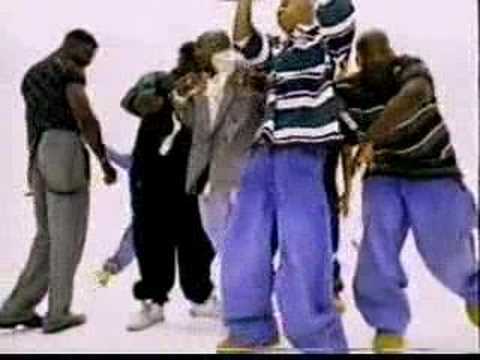
hit'em up - hit'em up (1996) Director: J. Kevin Swain Era: Mid-90s West Coast Hip-Hop Golden Age (1996) - Peak of the East Coast–West Coast rivalry, Death Row Records dominance, and gangsta rap's cultural apex Tier-1 archival priority. One of the most historically significant hip-hop music videos ever produced, serving as a primary document of the 1996 East Coast–West Coast conflict at its peak. The video's raw production quality, confrontational theatrical staging, and cultural afterlife, Shakur was murdered three months after filming, make it irreplaceable for hip-hop historiography, media studies, and cultural preservation. Its quantitative profile (fast editing, high contrast, warm tungsten palette) is a textbook fingerprint of Death Row's mid-90s visual aesthetic. Context: Released June 4, 1996 as the B-side to 'How Do U Want It' on Death Row Records, 'Hit 'Em Up' arrived at the boiling point of the East Coast–West Coast hip-hop rivalry. The video's confrontational warehouse staging, featuring direct-address rapping, set-dressed bullet holes, and impersonators of rival artists, was a visual declaration of war that amplified the song's lyrical aggression into a visual medium. Filmed only months before Shakur's murder in September 1996, the video stands as one of the most culturally charged artifacts of 1990s hip-hop, documenting the internecine tensions that would define and ultimately fracture an era. Its raw, unpolished production aesthetic reinforced authenticity codes central to West Coast gangsta rap identity. Director notes: The video was filmed on June 3, 1996, in a warehouse off Slauson Avenue near Fox Hills Mall in Los Angeles, by production company Look Hear Productions. The video features three visually distinct performance sets: a white room, a purple-caged room, and a black room dressed with bullet holes. TV monitors embedded in set backgrounds display archival footage. Actors previously used in the '2 of Amerikaz Most Wanted' video were recalled to portray impersonators of those targeted in the song's lyrics. Executive producer was Suge Knight; producers were Tracy D. Robinson and Gobi Nejad; editor was G. Thomas Ferguson. The shoot was reportedly tense and volatile on set.
Source: radarchive.org
Part of RAD Archive · Watch in the documentary