Faster pussycat — don't change that song
JUL 01 1987 · 12:00
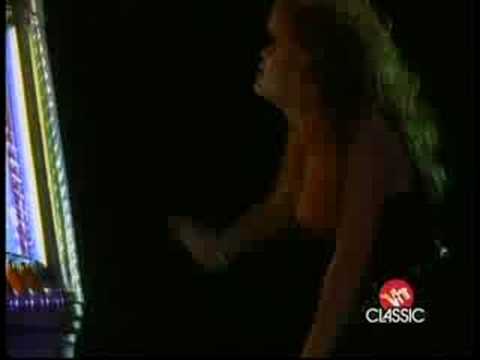
Faster pussycat — don't change that song (1987) Director: Russ Meyer Era: Sunset Strip Glam Metal Peak (1987) - Height of LA sleaze rock commercialization; Elektra Records-era hair metal MTV saturation, coinciding with the Sunset Strip club scene's mainstream crossover moment. Exceptionally high. This video is a rare convergence of cult cinema history and genre music history: the director of Faster, Pussycat! Kill! Kill! (1965) directing the band who named themselves after that film. As one of Meyer's only known post-retirement directing credits and his sole confirmed music video, it is an irreplaceable document for both film studies and rock music cultural archives. The quantitative profile (rapid 1.97s avg shot length, warm 2.09 color temp, elevated saturation) authenticates period-accurate production values. Context: Released in 1987 on Elektra Records as part of Faster Pussycat's self-titled debut album, 'Don't Change That Song' arrived at the commercial apex of the Sunset Strip glam metal scene, when MTV's heavy rotation of band-performance videos was the primary promotional vehicle for LA hard rock acts. The choice of Russ Meyer — cult filmmaker and namesake inspiration for the band — as director transforms the video into a layered cultural artifact: a band named after a sexploitation film, directed by the maker of that film, performing a straightforward rock anthem in a bar setting saturated with exploitation-cinema signifiers. The album reached #97 on the Billboard 200, situating the band squarely within the mainstream tier of the hair metal wave. Director notes: The band Faster Pussycat took their name directly from Meyer's 1965 cult film, making his directorial involvement a deliberate, culturally self-aware casting choice by Elektra Records and the band. Per IMDB, the video opens with a voiceover on violence and sexuality — a hallmark Meyer provocation device — and features the band performing near a jukebox as a crowd dances, consistent with Meyer's theatrically staged, kinetically edited visual sensibility. This represents one of Meyer's extremely rare post-retirement directorial credits and his only known music video work.
Source: radarchive.org
Part of RAD Archive · Watch in the documentary